
Course Content
1. Arduino UNO Board
0/1
2. Ultrasonic Sensor (HC-SR04)
0/1
3. Motor Driver Module (L293D or L298N)
A motor driver module is required because Arduino cannot directly supply enough current to run DC motors. The L293D or L298N motor driver acts as a bridge between Arduino and motors, enabling direction and speed control. It uses an H-Bridge circuit to allow motors to run forward, backward, or stop. In this project, Arduino sends control signals to the driver, which then powers the DC motors accordingly. Without the motor driver, the motors would not function properly. This component ensures safe operation by isolating Arduino from high motor currents while enabling full robot movement.
0/1
4. DC Geared Motors
0/1
5. Robot Chassis
0/1
7. Jumper Wires
0/1
8. Breadboard (Optional)
0/1
9. Battery Holder / Power Supply
0/1
Circuit Diagram
0/1
Arduino Obstacle Avoiding Course

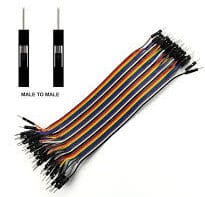
    Jumper wires are used to make connections between different components such as Arduino, motor driver, and ultrasonic sensor. They come in male-to-male, female-to-male, and female-to-female types, ensuring compatibility with headers and breadboards. In this project, jumper wires carry signals and power across the circuit. Their flexibility and reusability make them perfect for prototyping robotics projects without soldering. Proper wiring ensures that the robot works correctly without loose connections. Using jumper wires also makes it easy for learners to understand the circuit layout and modify it for improvements or troubleshooting when required.